
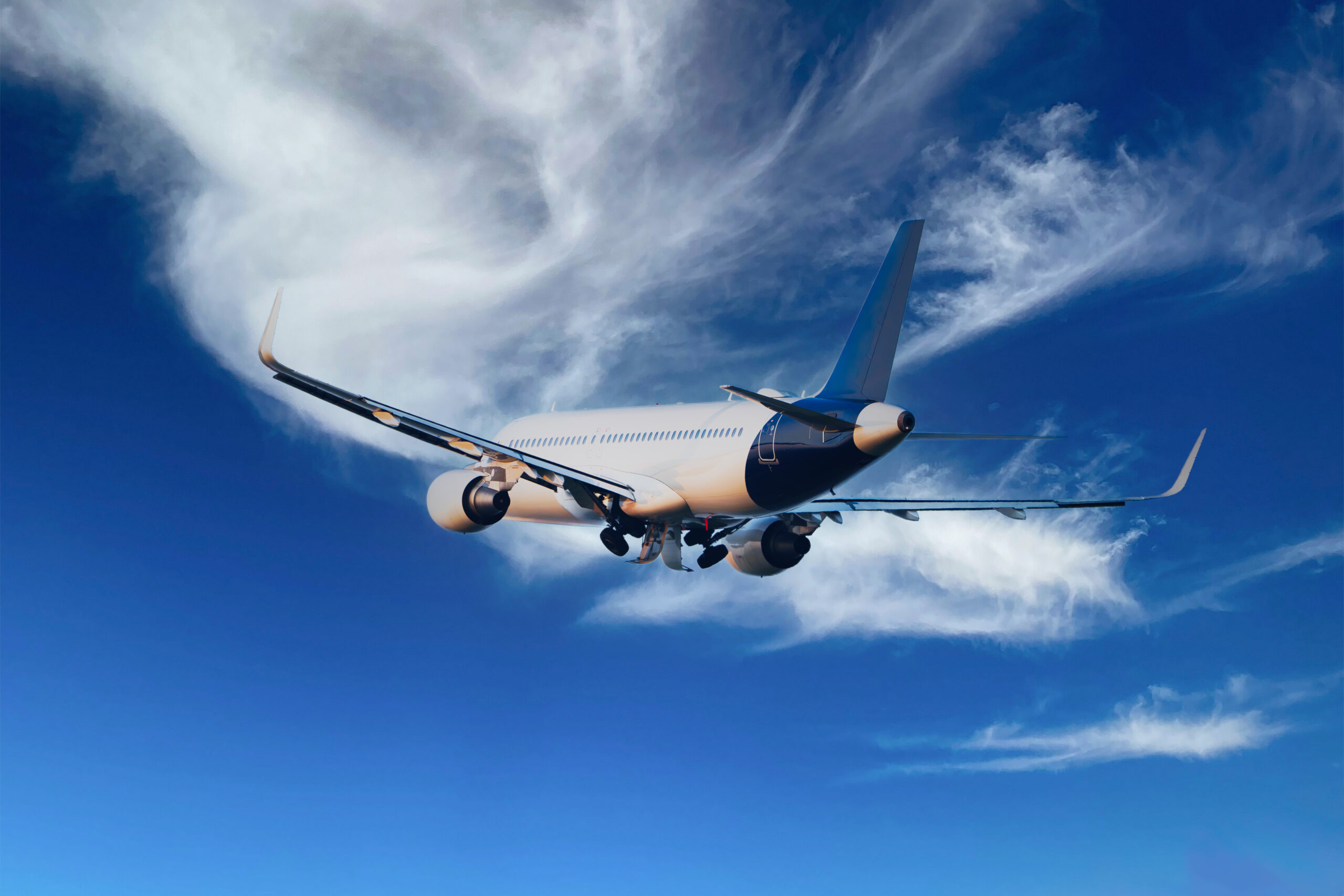
An Air Canada Express jet operated by Jazz Aviation collided with an airport fire truck late Sunday night while landing at New York’s LaGuardia Airport, killing both pilots and sending dozens of people to the hospital.
Air Canada Flight 8646, a CRJ-900 regional jet, arrived in New York from Montreal.
According to NBC News, the plane touched down on Runway 4 at approximately 11:45 p.m. local time when it struck the Port Authority Aircraft Rescue vehicle that was crossing the tarmac.
“I think all of us should be alarmed. It is a signal of what’s to come,” said Steven Marks, aviation attorney at Podhurst Orseck.
NTSB: Fire Truck Lacked Transponder
The National Transportation Safety Board (NTSB) and Federal Aviation Administration (FAA) are now investigating the sequence of events, including controller instructions, ground protocols, and emergency procedures.
On Tuesday, March 24th federal investigators said the Port Authority fire truck involved in the deadly runway collision did not have a transponder, preventing critical safety systems from detecting the vehicle and issuing an automated collision warning.
“This was an avoidable collision during the evening shift at a busy airport with vehicles crossing the runway without adequate tracking equipment,” said aviation attorney Ricardo Martinez-Cid.
The crash comes amid a well-documented nationwide shortage of air traffic controllers. This is an issue that aviation experts at have increasingly warned could impact safety, particularly at high-volume airports where controllers may be tasked with managing both air and ground movements simultaneously.
The NTSB also said the runway safety alert system did not activate, a failure investigators believe may be connected to the vehicle’s lack of a functioning transponder signal.
“This is quite inexcusable when lives are at risk. I only hope history does not repeat itself here,” said Marks.
Air Canada CEO Michael Rousseau called the day “very somber,” expressing deep sorrow for those affected while acknowledging that investigators are still piecing together the full picture.
Our Firm Has Experience Dealing with Similar Disasters
Podurst Orseck has helped clients recover compensation from aviation accidents in the past. In 2001, a similar crash claimed the lives of 118 people. Podhurst Orseck represented several people aboard SAS Flight 686. The McDonnell Douglas MD-was bound for Copenhagen when it struck a Cessna Citation CJ2 business jet during takeoff. Both aircraft were given taxi clearance.
Runway incursions remain one of the most serious risks in aviation, and when they occur in complex, high-traffic environments like LaGuardia, particularly during active emergency responses, the margin for error narrows considerably.
What Are Passenger Rights in These Circumstances?
Passengers aboard Air Canada Flight 8646 may be entitled to compensation under the Montreal Convention.
The Montreal Convention is an international treaty that governs the liability of airlines for incidents involving international air travel.
The convention uses a two-tier liability system for passenger injury and death:
- Tier 1 (up to ~135,000 Special Drawing Rights, or SDRs): The airline is automatically liable and cannot contest the claim, regardless of fault. SDRs are a unit set by the International Monetary Fund and roughly approximate real-world currency values.
- Tier 2 (above that threshold): The airline can escape liability if it proves it was not negligent and took all reasonable measures to avoid the harm.
As investigators work to determine the cause of this tragic collision, the outcome is likely to have broader implications for aviation safety protocols and could expose systemic vulnerabilities tied to staffing shortages and operational strain across the national airspace system.
Podhurst Orseck’s aviation attorneys were featured on multiple news outlets following this tragedy.
You can see their in-depth analysis on LiveNowFox, The Gazette, Noticias Telemundo, and Noticias Univision.
